
Gilty secrets
Gilts have been on the news of late, but how much do you know about them?
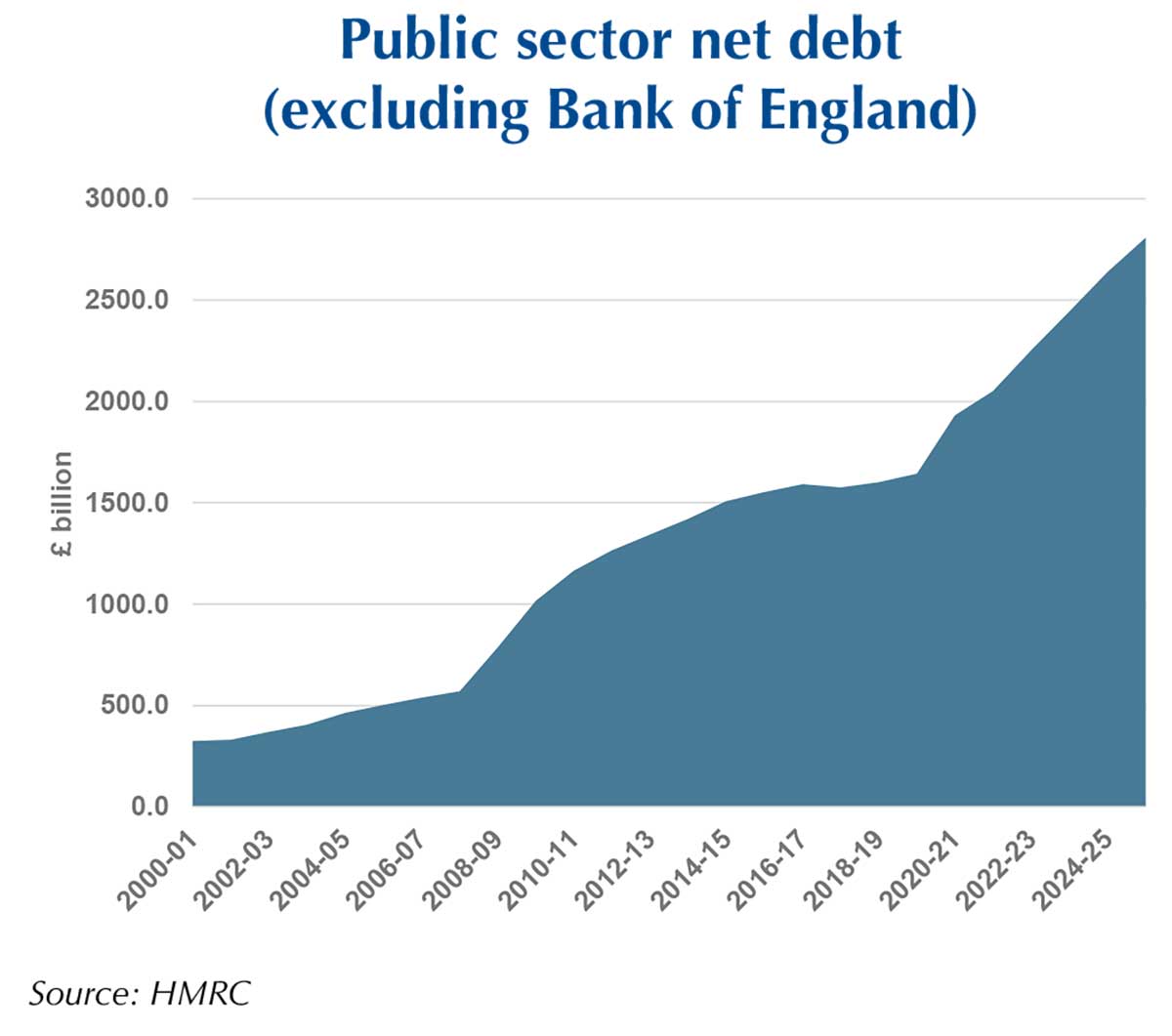
Gilts, or UK Government bonds as they are sometimes called, are loans made to the UK Government by a variety of investors from individuals to overseas central banks. Those investors buy gilts to receive a regular half-yearly income for a fixed term, plus a capital sum at the end of the term. The total value of the gilts market is over £2,900 billion – 93.5% higher than it was ten years ago.
There are two main types of gilt:
- Conventional gilts: These pay a fixed level of interest every six months and a fixed lump sum at maturity. For example, a £100 nominal holding of 4.5% Treasury Gilt 2035 pays £2.25 on 31 January and 31 July each year and £100 at maturity on 31 July 2035. About three-quarters of the gilt market by value is this type of gilt.
- Index-linked gilts: The interest and maturity values of these gilts move in line with the retail prices index, the forerunner of the familiar consumer prices index. These days the Government issues mostly conventional gilts rather than their index-linked counterparts.
Gilts are the main way that the Government raise cash to bridge the gap between what it spends and what it raises in taxation. In 2026/27, HM Treasury aims to sell £250 billion to investors although £140 billion is simply to pay the amounts due on existing gilts that reach the end of their fixed term.
The interest on the near-£3 trillion of gilts is itself a huge item of annual Government expenditure. The Office for Budget Responsibility estimates the 2026/27 net interest bill will be almost £110 billion, about 8% of all Government expenditure and nearly a third of the day-to-day welfare bill. Numbers like that help explain why rising interest rates on gilts worry the Chancellor.
When the Treasury is forced to pay a higher interest rate to sell gilts, the ramifications go beyond just Government finances. For example, the increased rates can feed through to fixed-term mortgage rates. The ‘quid pro quo’ is higher rates can make gilt (and other bond funds) more attractive for income-seeking investors.
The value of investments and the income from them can fall as well as rise and investors may not get back what they originally invested.
Tax treatment varies according to individual circumstances and is subject to change.
The Financial Conduct Authority does not regulate tax advice.